Partnership that grows the roots, not just the branches.
Where you’ve come so far is solid and you can build on it. But today’s challenges are asking for capacities the old approaches can’t meet. What’s needed is not more skill or technique, more effort or grit; that’s horizontal development (good fruit on strong branches) and we grow it together.
We’re talking vertical development (deep roots in good soil). New ways to make sense of routine disorientation, new practices for working with everyday disruption, new capacity to shift interpersonal dynamics from reactive to intentional.
This is where we map the way forward.
Three paths: you, your team, your next big change. Two questions: where are you now and where do you want to go? One step: a conversation about the way forward.
HOW I SHOW UP
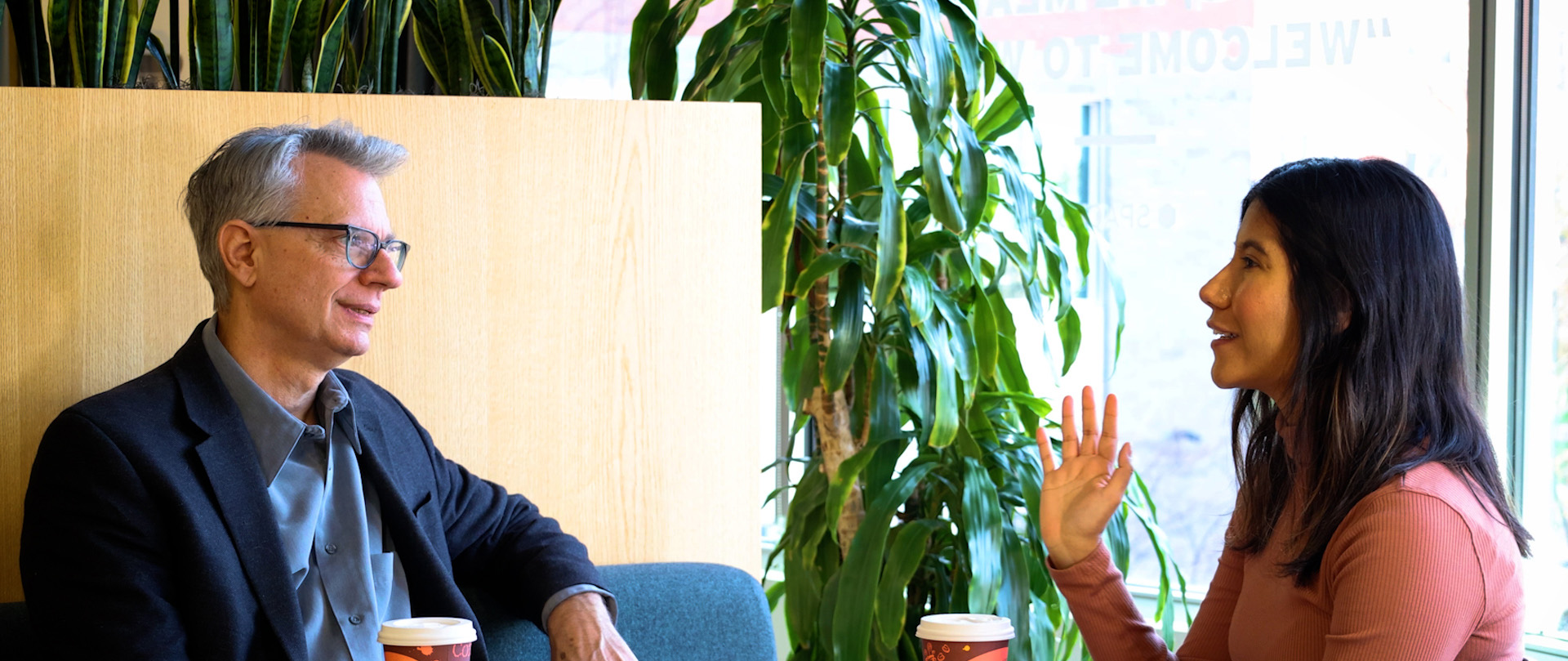
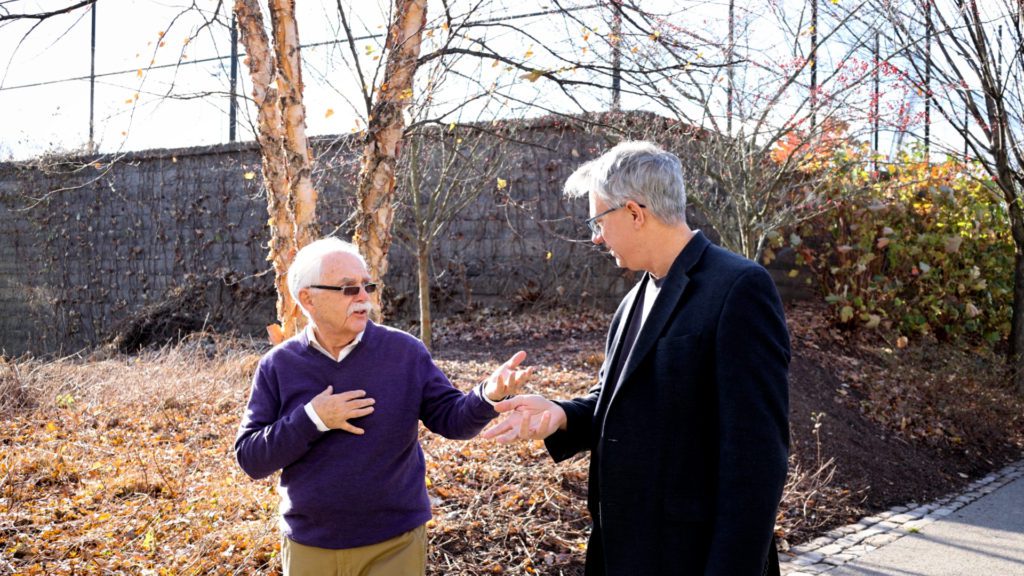
I pay attention to what you’re saying, what you’re not saying yet, and what lands as true when you hear yourself say it out loud, maybe for the first time. I offer a mirror revealing patterns you can’t see from inside your own experience. Sometimes I encourage what’s working. Sometimes I name what no one else will. All the time, you’re the expert of your life and I’m your thinking partner. This isn’t advice. It’s partnership.
You set the direction. We move forward together.
THREE PATHWAYS
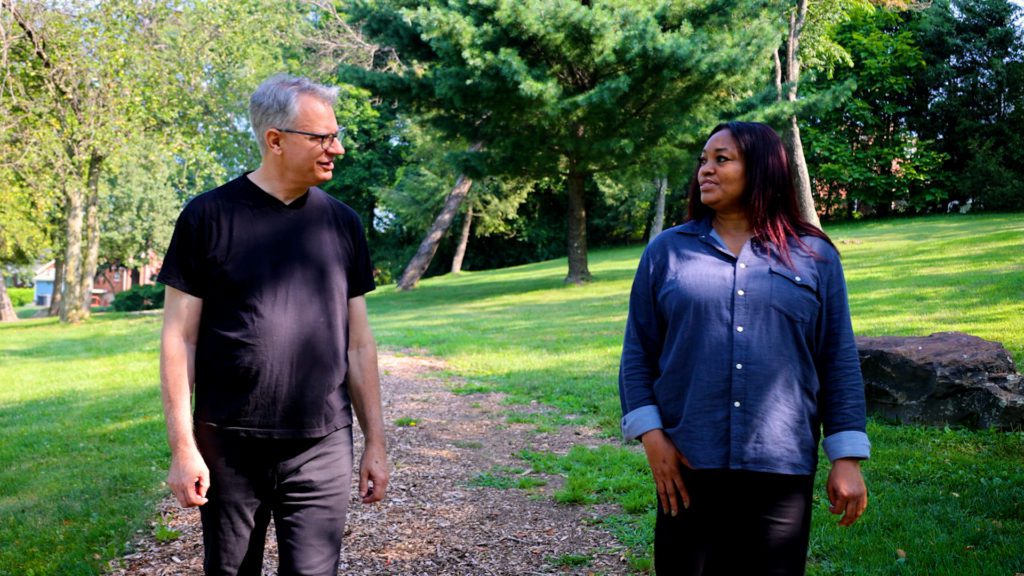
Individual Coaching
this is you if …
Your strengths aren’t translating the way they used to. You’re a seasoned executive whose scripts stopped producing results two chapters ago.
You’re an emerging leader promoted on technical brilliance who now sits in rooms where sheer brainpower isn’t enough. You’re working harder with less traction.
The terrain has shifted. The old trail is gone. And your current map no longer matches the tangled landscape.
You don’t need more competencies. You need greater capacity to lead in conditions that don’t resolve.
the work
We start from the inside out, from who you are, not where some leadership influencer says you should be. Assessments reveal your operating system: how you see yourself and others, how you read situations under pressure, where your patterns help and where they limit you. Self-awareness maps what’s possible.
In each session, you set the agenda. We explore what’s real, excavate what’s underneath, and experiment with what’s next. Between sessions, you practice new ways of noticing and leading in your actual work. We track what shifts over time.
what shifts
The patterns that kept you circling loosen their grip. The calls come easier. You respond instead of reacting, steadier under pressure. Your team starts taking initiative, not because you told them to, but because something in how you carry yourself changed. You show up with more range, more resilience, more room, more clarity. You’ve grown capacity you didn’t have before.
You lead a talented team that’s stuck in patterns everyone sees and no one names. Decisions stall. Delegation goes sideways. The conversations that would actually move things forward keep getting avoided. And somewhere in the back of your mind, you suspect the dynamics mirror something in you.
The work
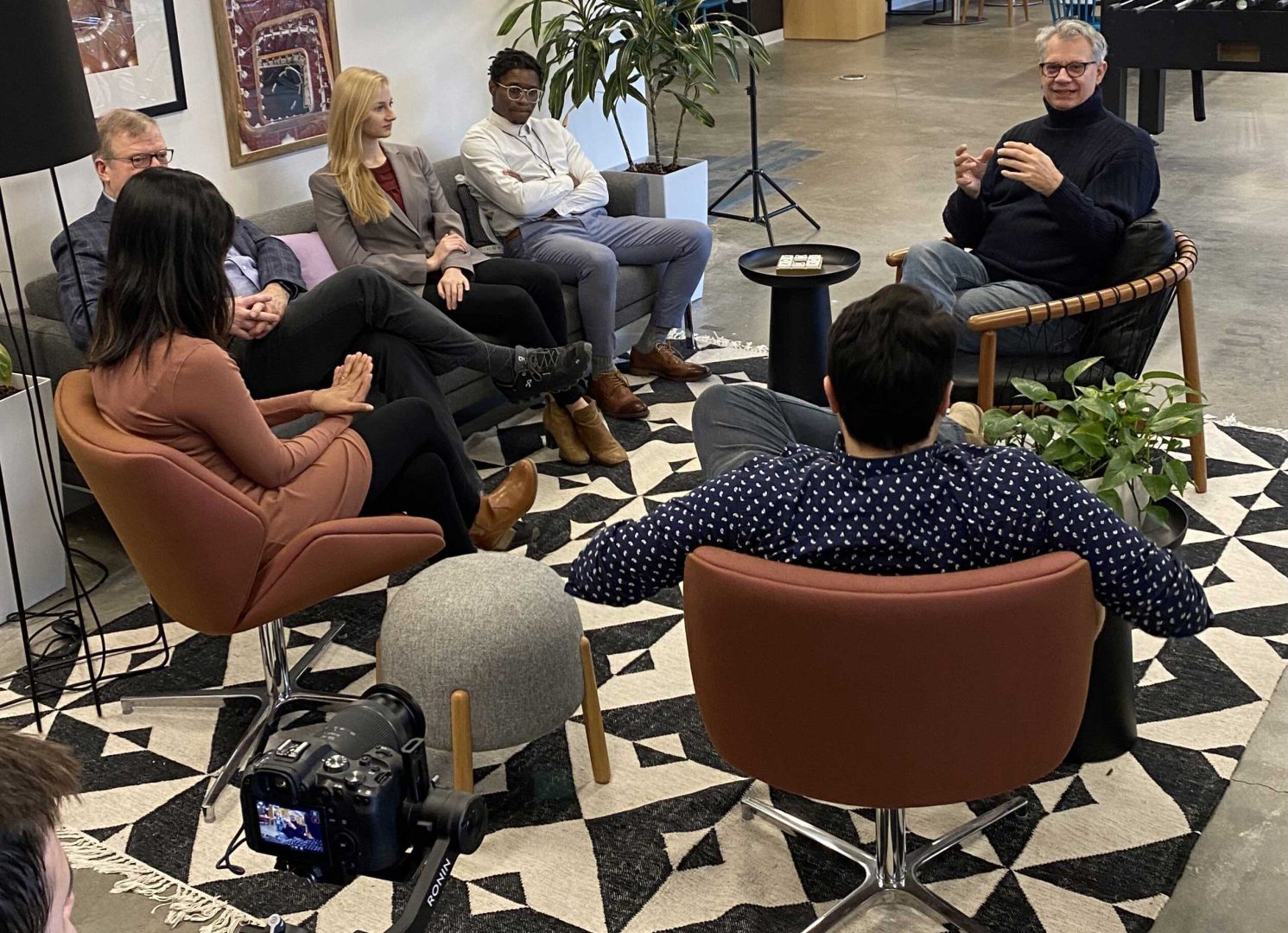
We start with individual coaching for each team member. Assessments show how one person’s patterns interact with and compound everyone else’s. Then we move into team sessions where we surface what’s not connecting and where to build trust.
Private work stays private. Team dynamics get named in a context that’s safe for honest dialogue, fresh learning, creative contribution.
what shifts
Your team develops real capacity for disagreement without losing trust. Decisions move because authority is clear and roles make sense. The conversations that used to get avoided start happening — people stop working around each other and start working with each other. The heroics fade, genuine collaboration takes its place.
You’re between chapters. New role, new scope, new sector. A promotion that feels more like vertigo than victory. Retirement that arrived before you were ready to let go. A reinvention you chose, or one that chose you. The ground you built your identity on just shifted, and you haven’t found the next solid place to stand.
the work
Transitions strip away what worked before. Most people rush to the next thing. We don’t. We start by naming and honoring what’s coming to an end: an identity, stable patterns, familiar ground you’re leaving behind.
Assessments reveal strengths and values that drive you regardless of role or title. We design experiments for the in-between space, testing what fits as you move into what’s coming.
what shifts
You move through the transition without losing yourself in it. The gap that felt like freefall becomes the place where something truer takes shape. You lead from alignment, grounded in a confidence that can’t be taken away by the next disruption.
Coaches pursuing their own developmental edge are welcome here too. If you’re a practitioner ready to move from competent to masterful, mentor coaching starts the same way: a conversation about where you want to go.
Every engagement follows a natural arc. The progression unfolds as you do.
Illumination. You see yourself and your situation with fresh clarity. Old scripts surface. Blind spots emerge. Options you couldn’t see from inside your own experience become visible.
Integration. New awareness becomes new practice. You test what works, refine what doesn’t, build habits that hold under real pressure.
Embodiment. The new way becomes your way. Practiced until it becomes muscle memory that holds when it matters most.
Not sure whether coaching is what this moment is asking for?
Every engagement is designed around you. In our discovery conversation, we identify which instruments open the most useful ground for your specific terrain. Here are some of the tools I draw from:
(hover for info)
This 360° assessment reveals how others actually experience your leadership — how you relate, how you achieve results, and where the gap between intention and impact lives. Together, we align what others see with what you see in yourself, and focus on the growing edges that offer the most leverage.
(hover for info)
How you lead in the emotional and relational dimensions of work is often make-or-break. This assessment builds awareness of your self-perception, interpersonal patterns, decision-making under pressure, and stress responses — the places where powerful emotions start running the show.
(hover for info)
What gets you out of bed and eager to give your best? Your intrinsic motivations point to who you are beneath the role — what matters most, why you show up as you do. This energy source is essential to your influence as a leader, especially in transitions where the external anchors shift.
(hover for info)
Your signature strengths come so naturally you may not notice them. But they fuel your best performance — consistent, authentic, always on. Knowing them changes how you lead, how you build teams, and how you navigate what’s next.
(hover for info)
Adults grow through a sequence of stages. Early on, we take our cues from others, then establish ourselves as expert-achievers. Complexity requires more: hold uncertainty, live with contradiction, and integrate the full range of human experience. MyWorldView® gives you a snapshot of your current stage and what becomes possible as you grow into the next one.
(hover for info)
When pressure builds, most teams default to drama — rescuing, blaming, reacting. This framework shifts those patterns to something generative: Coach, Challenger, Creator. Three vital questions cut through the noise and move you from dramatic to empowered.
LET’S TALK
You’ve found the path that fits where you are, or you’re still deciding. Either way, let’s take thirty minutes to explore whether this partnership fits. No agenda, no pitch. Just what you are carrying, and what it might look like to set some of it down.